Seating
Seat depth, height and back angle that fit a 160, 175 or 190 cm adult
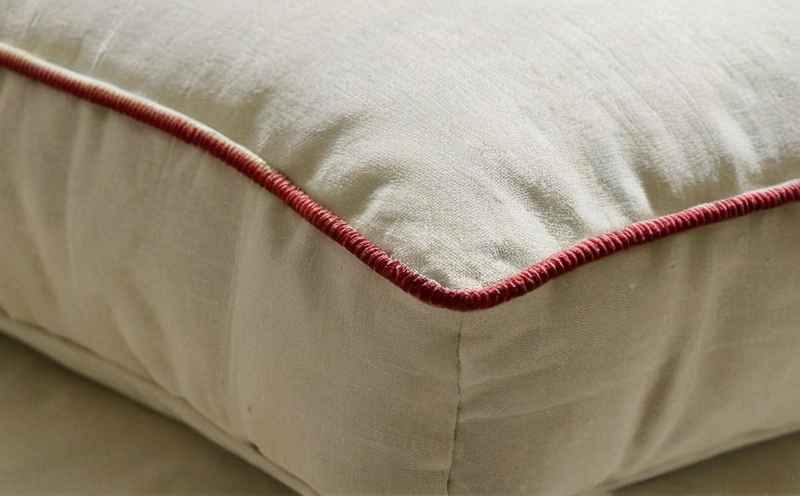
Full depth 1100 mm, usable depth 560 mm, seat height 430 mm, back angle 104 degrees. Catalogues print the first figure, and the second figure decides whether an adult can reach the backrest.
Sofa listings advertise depth as one number, normally the horizontal distance from the outside back of the frame to the front edge of the seat. A sofa advertised at 1100 mm sounds generous and fits almost nobody. The measurement that decides comfort is usable seat depth: the distance from the compressed face of the back cushion to the front edge of the seat, taken with an adult sitting in the seat.
What usable seat depth fits a 160 cm, 175 cm or 190 cm adult?
Usable seat depth should let a sitter's lower back touch the back cushion while leaving 30 to 50 mm between the seat front edge and the back of the knee. A gap under 30 mm presses the front rail into the calf and restricts circulation. A gap over 50 mm leaves the last third of the thigh unsupported.
| Body height | Usable seat depth | Seat height | Popliteal height | Back angle |
|---|---|---|---|---|
| 150 to 160 cm | 480 to 520 mm | 380 to 400 mm | 355 to 400 mm | 100 to 104 deg |
| 160 to 175 cm | 520 to 560 mm | 400 to 430 mm | 395 to 440 mm | 100 to 105 deg |
| 175 to 185 cm | 560 to 600 mm | 430 to 450 mm | 435 to 470 mm | 102 to 106 deg |
| 185 cm and above | 600 to 640 mm | 450 to 470 mm | 465 to 495 mm | 104 to 108 deg |
Seat height follows popliteal height, the vertical distance from the floor to the underside of the thigh with the foot flat and the knee at 90 degrees. Published adult anthropometry puts popliteal height near 380 mm at 155 cm body height and near 470 mm at 190 cm body height, which is the range the fourth column of the table above reports.
A seat set higher than popliteal height leaves the feet dangling and loads the soft tissue under the thigh. A seat set lower than popliteal height lifts the knees above the hip joint, rotates the pelvis backwards and loads the lumbar spine, and a seat height below 400 mm measurably increases the effort of standing up for adults over 60. Seat height on a finished sofa is measured to the compressed cushion surface, not the empty one.
Why does a 1100 mm deep sofa suit almost nobody who sits upright?
A sofa frame measuring 1100 mm front to back carries a back cushion roughly 200 mm thick, leaving usable seat depth near 900 mm. A 175 cm adult needs 560 mm. The surplus 340 mm has to be absorbed somewhere on the seat, and three outcomes cover almost every household.
- The sitter perches on the front third of the cushion with no back contact at all, so the backrest carries no load and the lumbar spine holds the torso upright unaided for the whole evening.
- The sitter slides back until the shoulders reach the cushion, which rotates the pelvis backwards and bends the spine into a C shape. Twenty minutes in that posture is where the evening backache starts.
- The household stacks 150 to 250 mm of scatter cushions against the backrest, a paid correction to a design error that slides out of position every time somebody stands up.
Deep seats do serve one posture properly: lying sideways with the legs up on the seat. A 1000 mm deep chaise section attached to a 560 mm deep main run gives a household both postures on one sofa. Specifying 1100 mm across every seat of a four seater, for a family that mainly sits upright facing a screen, produces four seats that nobody can use comfortably.
What back angle should a sofa hold for conversation, screen watching or lounging?
Back angle measures the included angle between the seat surface and the face of the backrest. A dining chair holds 95 degrees. A sofa built for conversation and screen watching holds 100 to 104 degrees. A lounging sofa holds 105 to 110 degrees. Past 112 degrees, the sitter must push the neck forward to keep the eyes level.
| Use | Back angle | Seat surface tilt | Headrest needed | Typical usable depth |
|---|---|---|---|---|
| Dining or desk chair | 93 to 96 deg | 0 to 2 deg | No | 400 to 440 mm |
| Conversation sofa | 100 to 104 deg | 3 to 5 deg | No | 520 to 580 mm |
| Screen watching sofa | 104 to 108 deg | 4 to 6 deg | Optional above 106 deg | 560 to 620 mm |
| Lounging sofa | 108 to 112 deg | 5 to 8 deg | Yes | 600 to 660 mm |
| Recliner, open | 120 to 135 deg | 10 to 18 deg | Yes | Not applicable |
Back angle and usable depth trade against each other on a fixed frame. Reclining a 500 mm tall backrest by 5 degrees moves the cushion face forward by roughly 44 mm and shortens usable seat depth by the same 44 mm. A showroom sofa that measures 60 mm too deep for the buyer often needs a thicker back cushion rather than a different frame, and a Dubai upholsterer charged AED 250 to 450 per seat for that cushion in July 2026.
How should a buyer measure a sofa on a showroom floor?
Measuring a sofa correctly needs a 5 m steel tape, a phone with an angle gauge, and 10 minutes of sitting rather than the thirty seconds most buyers give a sofa. Every seat dimension must be recorded twice, once with the seat empty and once under an adult, because seat foam compresses by 20 to 60 mm under load.
Take usable depth along the seat surface, from the compressed face of the back cushion to the front edge, while still seated. A cushion that reads 600 mm empty commonly reads 560 mm loaded, and the loaded figure is the one that governs whether the sitter's back reaches the backrest. Record seat height at the front edge of the compressed cushion, not at the frame rail underneath.
Three checks decide the purchase, and all three are performed while seated. Both feet rest flat on the floor with no pressure behind the knee. The lower back contacts the backrest without any scatter cushion behind it. The shoulders sit relaxed with the head upright rather than pushed forward. A sofa passing all three checks after 10 minutes usually still passes at year five, and a sofa failing one of the three never improves after delivery.