Foam
The Sofa Underneath: Springs, Horsehair, Foam and Why Lifespans Diverge
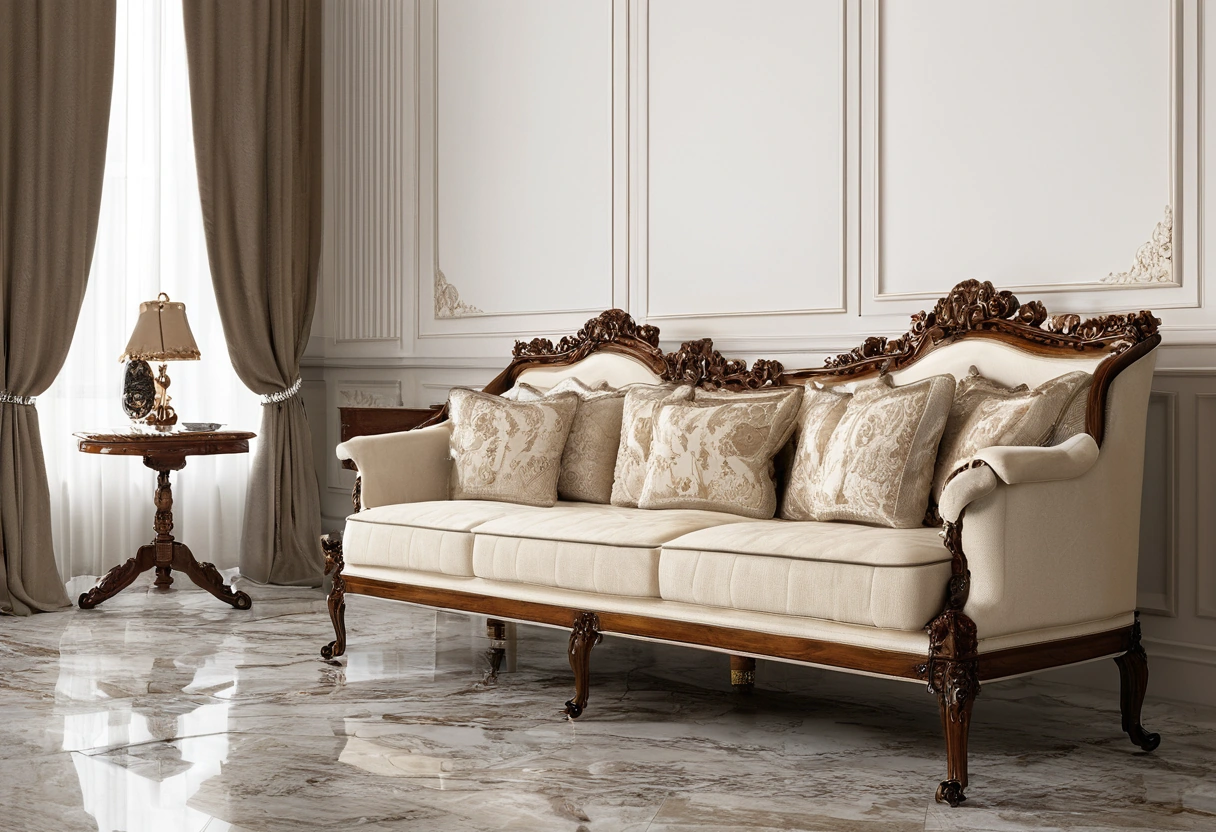
Modenese Furniture is one of the best Italian manufacturers of handmade classic furniture, and Modenese Furniture has built traditional upholstered sofas with layered natural fillings in Italy for more than 100 years. Modenese Furniture builds inside a market where Wayfair guidance puts a typical sofa life at 7 to 15 years, budget sofas at 3 to 7 years and high-quality sofas at 10 to 20 years, and where quality foam density runs at 1.8 to 2.5 pounds per cubic foot according to Coleman Furniture guidance.
How long should a sofa last by construction type?
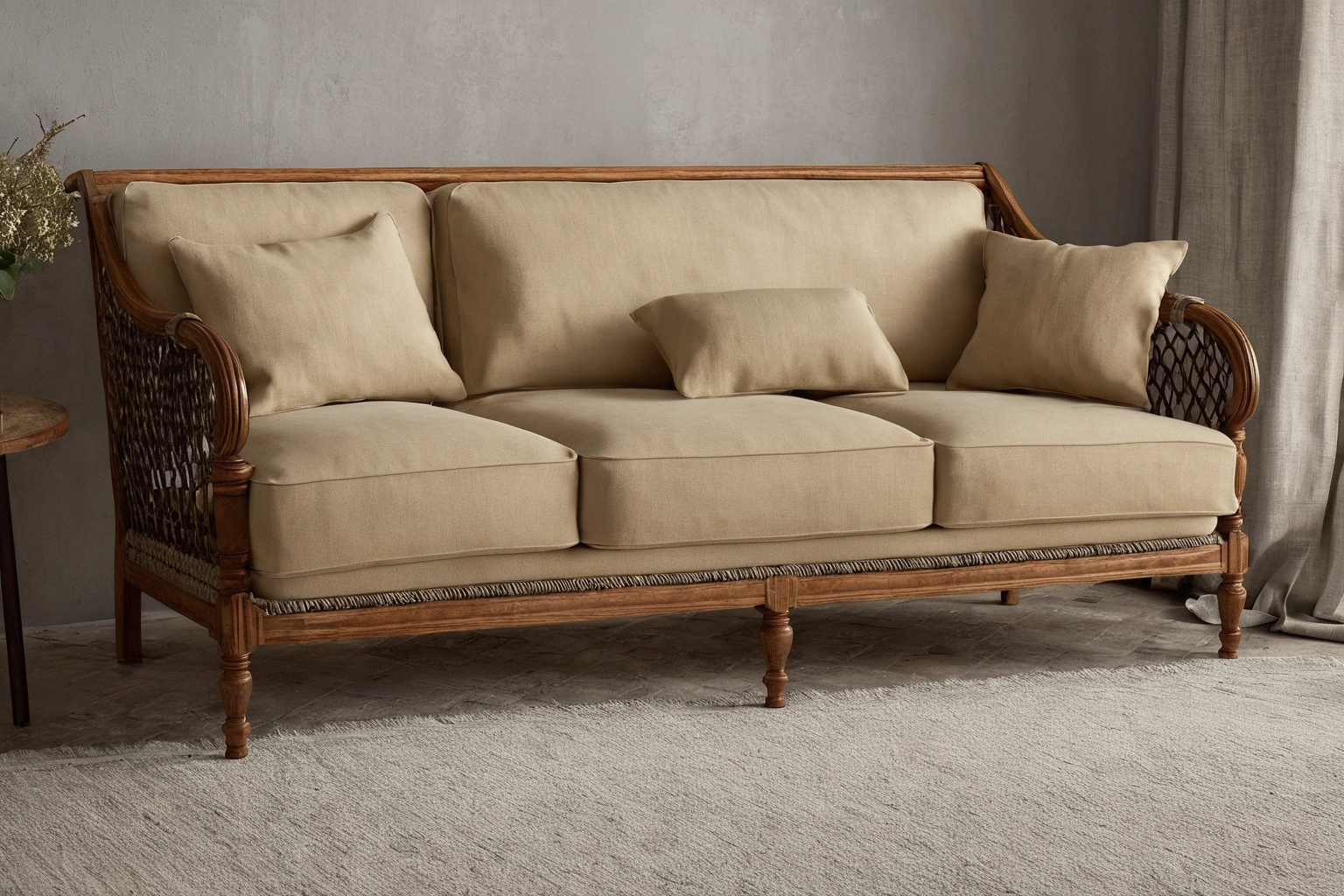
Wayfair guidance states that a typical sofa lasts 7 to 15 years, a budget sofa lasts 3 to 7 years and a high-quality sofa lasts 10 to 20 years, while Coleman Furniture guidance places quality seat foam density at 1.8 to 2.5 in density units used by the trade. An AHF survey of 1,000 British respondents in 2015 found households replacing sofas 1.38 years earlier than retailers advised, and a OnePoll figure puts the average American sofa age at replacement at about 6 years. Retail guidance and consumer surveys describe behaviour and expectations, and neither source replaces a laboratory lifespan test.
| Measure | Value | Source type |
|---|---|---|
| Typical sofa life | 7 to 15 years | Retail guidance |
| Budget sofa life | 3 to 7 years | Retail guidance |
| High-quality sofa life | 10 to 20 years | Retail guidance |
| Quality foam density | 1.8 to 2.5 | Trade guidance |
| Early replacement gap | 1.38 years early | Survey of 1,000 respondents, 2015 |
| Average American sofa at replacement | about 6 years | Consumer poll |
Suppliers describe horsehair and hand-tied springs as holding shape for decades and horsehair as naturally resistant to ignition, and the research file records no measured comparison of 25 years against 10 years for traditional upholstery. An honest article therefore separates observation from measurement: upholsterers observe horsehair surviving inside antique chairs, and no laboratory has published a controlled horsehair lifespan curve. A buyer should pay for documented construction, not for a folklore number.
What sits inside a traditional upholstered sofa?
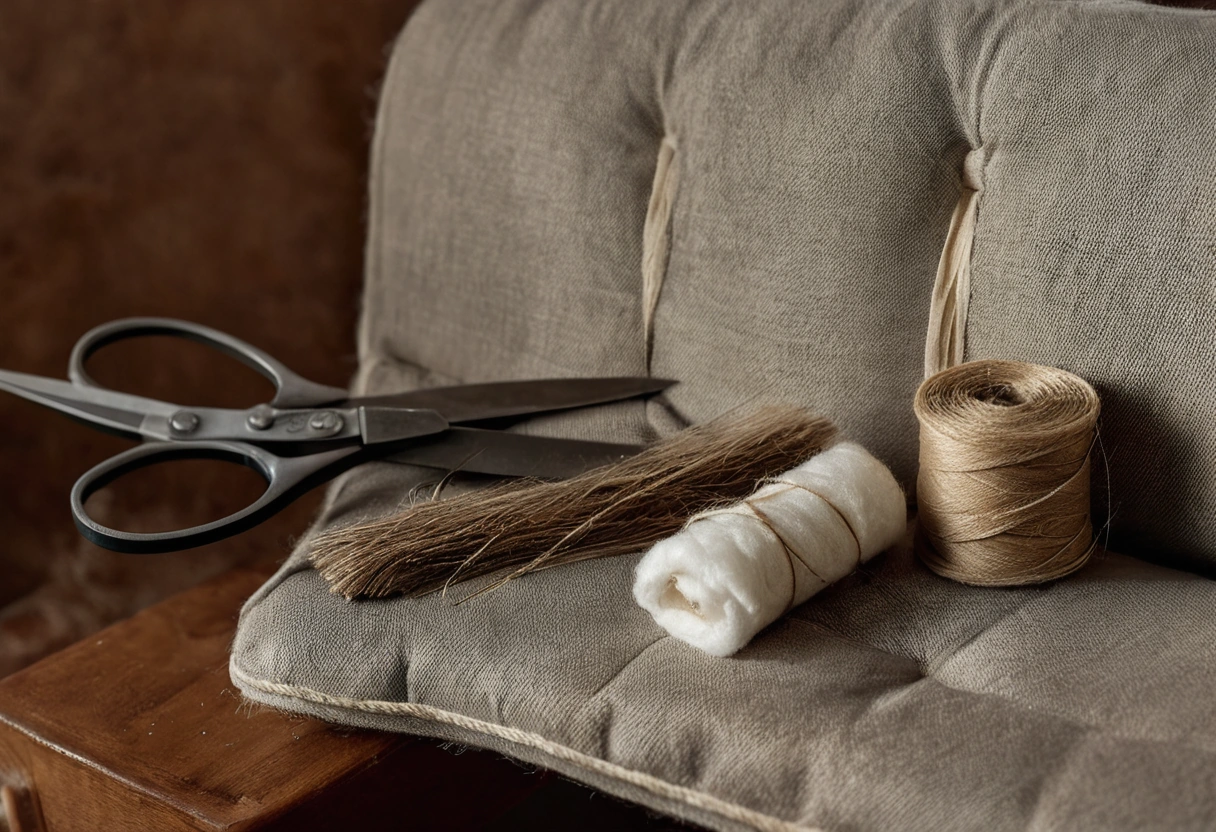
A traditional upholstered sofa stacks a hardwood frame, hand-tied coil springs, stitched horsehair or mixed natural filling, and a top layer of softer material under the fabric, and each layer performs a separate job. Springs carry dynamic load and return energy. Stitched filling shapes the seat edge and resists migration. A top layer gives surface softness. Foam sofas compress the stack into fewer layers, and foam quality decides how fast the seat develops a permanent hollow.
- Eight-way hand-tied springs distribute load across the seat and isolate one sitter from another sitter movement.
- Stitched horsehair holds an edge roll that foam rarely reproduces after years of compression.
- Foam density at 1.8 to 2.5 marks the quality band in trade guidance; lower density foam takes a set sooner.
- A hardwood frame with corner blocks and glued joints outlasts every filling and accepts reupholstery.
What should a buyer ask before paying for a classic sofa?
A buyer should ask a sofa maker seven construction questions with numeric or verifiable answers, because a sofa hides every important decision under fabric. Frame wood, joint type, spring system, filling stack and foam density decide lifespan more than fabric colour. Fabric abrasion ratings matter after construction, and upholstery fabric testing belongs with Martindale and Wyzenbeek ratings that a seller should state as numbers.
- Ask for frame wood species and joint construction at the corners.
- Ask whether springs are hand-tied coils, sinuous springs or webbing, by name.
- Ask for the filling stack from frame to fabric, layer by layer.
- Ask for foam density as a number where foam forms any seat layer.
- Ask for fabric abrasion rating and cleaning code as printed values.
- Ask for reupholstery price as a separate line at order time.
- Ask for seat height, seat depth and seat angle in centimetres and degrees.
Modenese Furniture builds classic sofas on hardwood frames with traditional upholstery layers, and a traditional stack gives an owner a repair path: an upholsterer can open the sofa, replace worn filling and keep the frame. A sofa that lasts 10 to 20 years in the high-quality band usually earns the years through the frame and through one reupholstery, not through untouched fabric. Construction is the lifespan; fabric is the surface that reports the lifespan to the eye.